What Does an Activity Director Do?
A Real Look at the Role
One of the most meaningful careers in senior living—and one most people don’t discover until something shifts.
What does an Activity Director actually do? Most people don’t have a clear picture of this role until they experience it firsthand.

Most people don’t grow up planning to become an Activity Director.
They discover it in a quiet moment—sitting beside a parent, visiting a loved one, or noticing something that feels missing.
There’s care. There’s routine. Everything is technically being done right.
But something isn’t there.
Where is the laughter? The connection? The sense that life is still being lived—not just managed?
And then someone walks into the room and everything changes.
Residents sit up. Conversations start. Energy shifts. People smile again.
That person is the Activity Director.
More Than Activities—This Role Is About Human Connection
An Activity Director is not just someone who plans games or fills a calendar.
They are responsible for something deeper: quality of life.
They create moments that remind people who they are and bring meaning into environments that can otherwise feel clinical or routine.
This might look like a group activity—but underneath, it’s something else entirely.
It’s helping someone reconnect with a memory.
It’s creating space for conversation.
It’s restoring dignity, identity, and joy in small, powerful ways.
This role sits at the intersection of care, creativity, and emotional intelligence.
What Does an Activity Director Actually Do Each Day?
No two days are exactly the same, but there is a rhythm to the work.
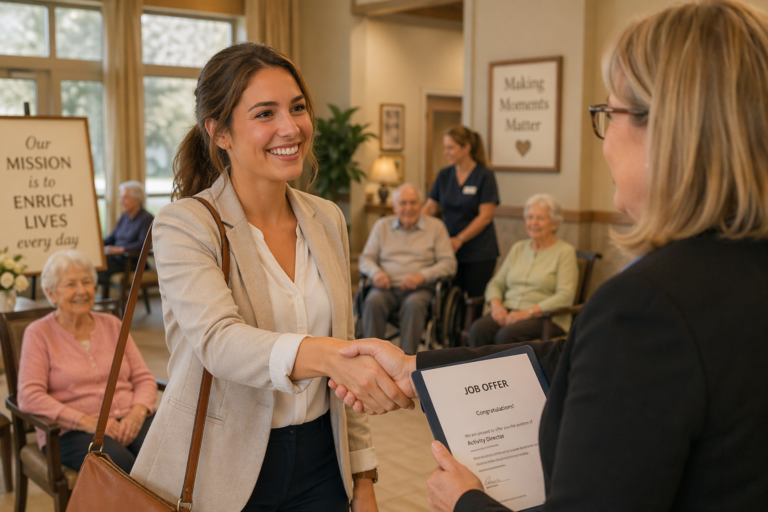
Mornings begin with preparation—reviewing schedules, setting up spaces, checking in with residents, and adjusting plans.
Midday is where the environment comes alive—group activities, social engagement, movement, music, and connection.
Afternoons shift into more personal moments—one-on-one visits, quieter interactions, and supporting residents who need extra attention.
And then there are the moments you can’t plan.
- A resident who suddenly opens up
- A room filled with unexpected laughter
- A simple activity turning into something meaningful
These moments define the role.
Behind the scenes, there are also professional responsibilities:
- Designing structured activity programs
- Documenting participation and outcomes
- Aligning programming with care plans
- Meeting state and federal expectations
This balance of heart and structure is what makes the role both meaningful and professional.
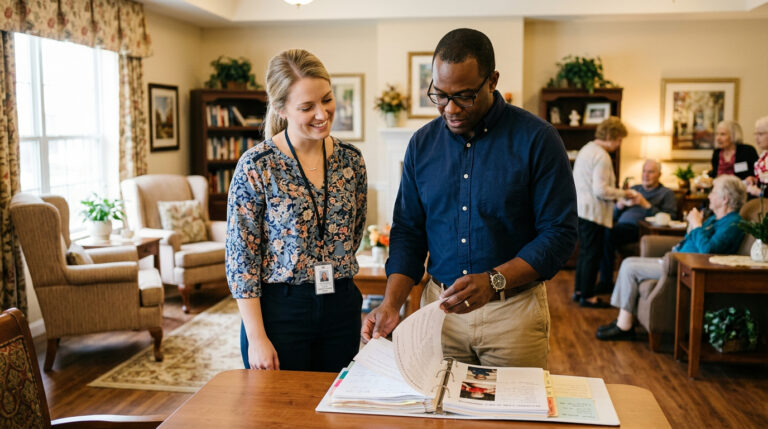
If you want to see what this looks like in real life, this guide on a day in the life of an Activity Director gives a closer look.

Curious About This Career?
Download the Activity Director Career Pack to explore the role and how people get started.
Who Becomes an Activity Director?
There is no single path into this role.
Many come from caregiving or healthcare backgrounds. Others discover it later in life.
What they share is not a resume—it’s a set of qualities:
- Ability to connect with people
- Creativity and adaptability
- Emotional awareness
- A desire to do meaningful work
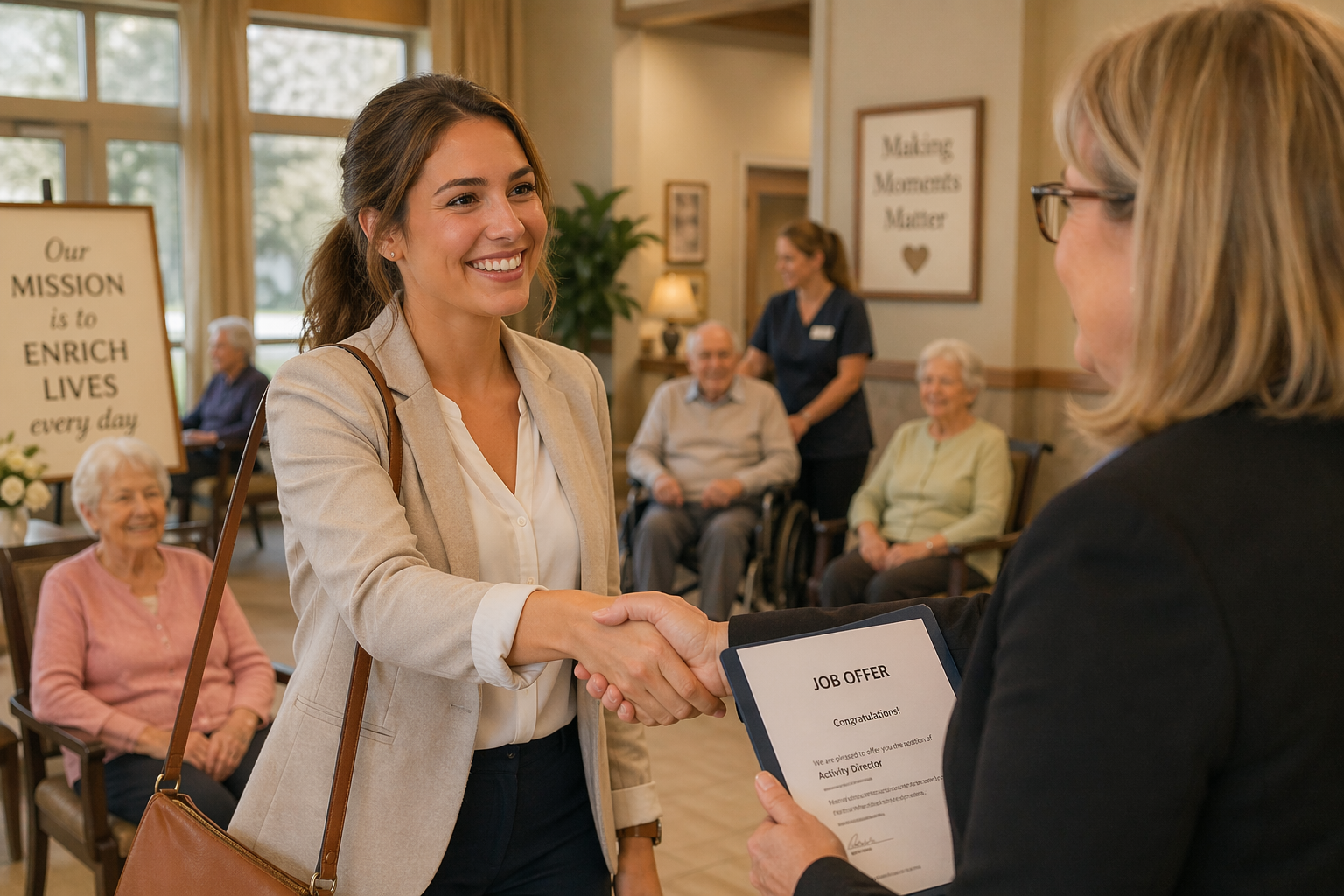
If you’re wondering how to break into the field, read how to get hired as an Activity Director.
Is This a Real Career?
Yes—and it’s growing.
Activity programming is a required part of care. Facilities are expected to provide meaningful engagement, and trained professionals are needed to lead it.
If you’re still deciding, this guide on whether this career is worth it can help you think it through.
How Do You Become an Activity Director?
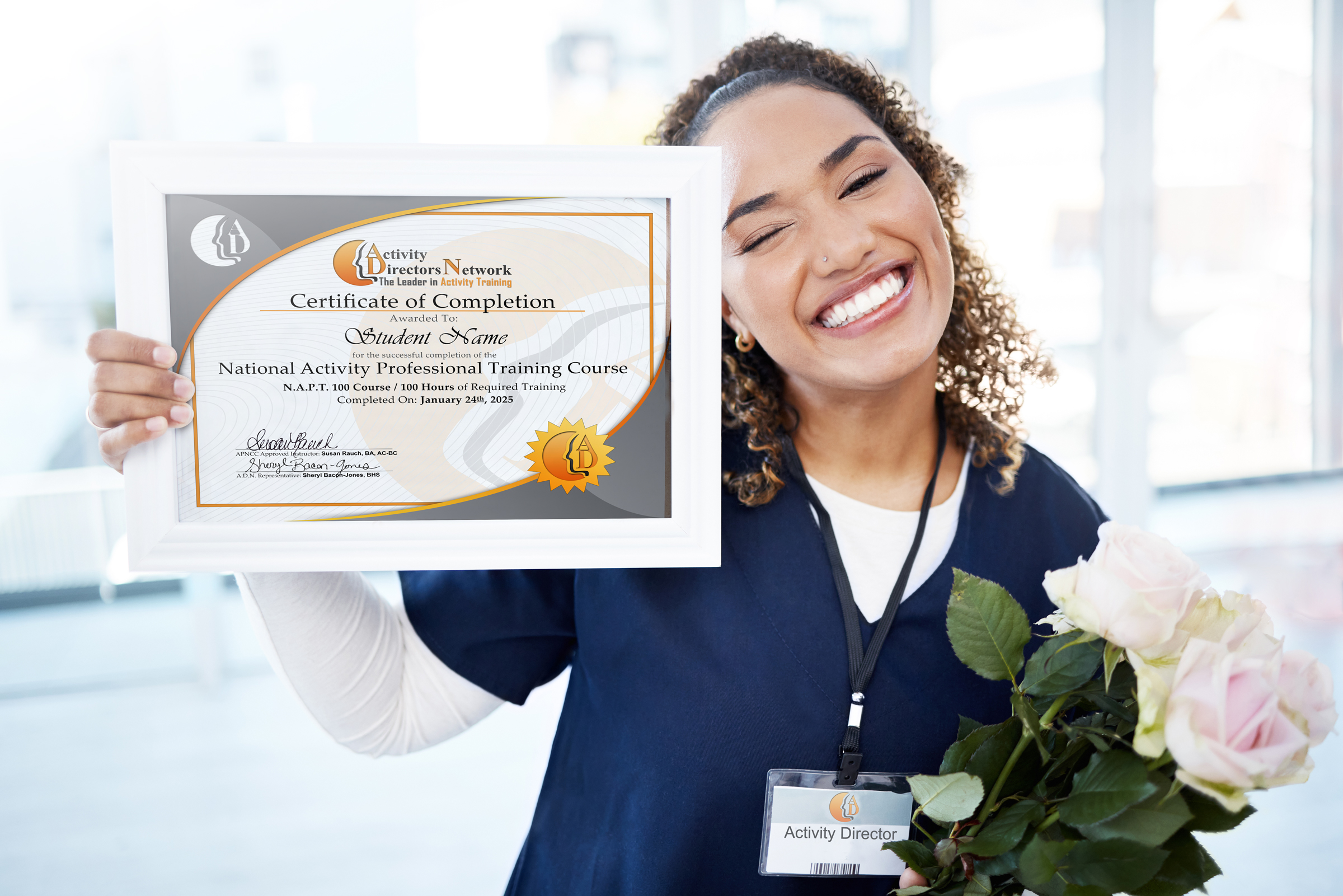
Most people enter this field through structured training, not a traditional four-year degree.
A strong program teaches you how to:
- Design meaningful programs
- Document correctly
- Align activities with care plans
- Step confidently into the role
If you’re planning your next step, this timeline guide explains how long it takes to become an Activity Director.
Bottom Line
This is a career built on connection, creativity, and purpose.
With the right training, it becomes a path you can step into with clarity and confidence.




Want to See What This Career Looks Like Next?
Now that you understand the role, these guides will help you see what it feels like day to day, how people get started, and where this path can lead.