
Hi friends!
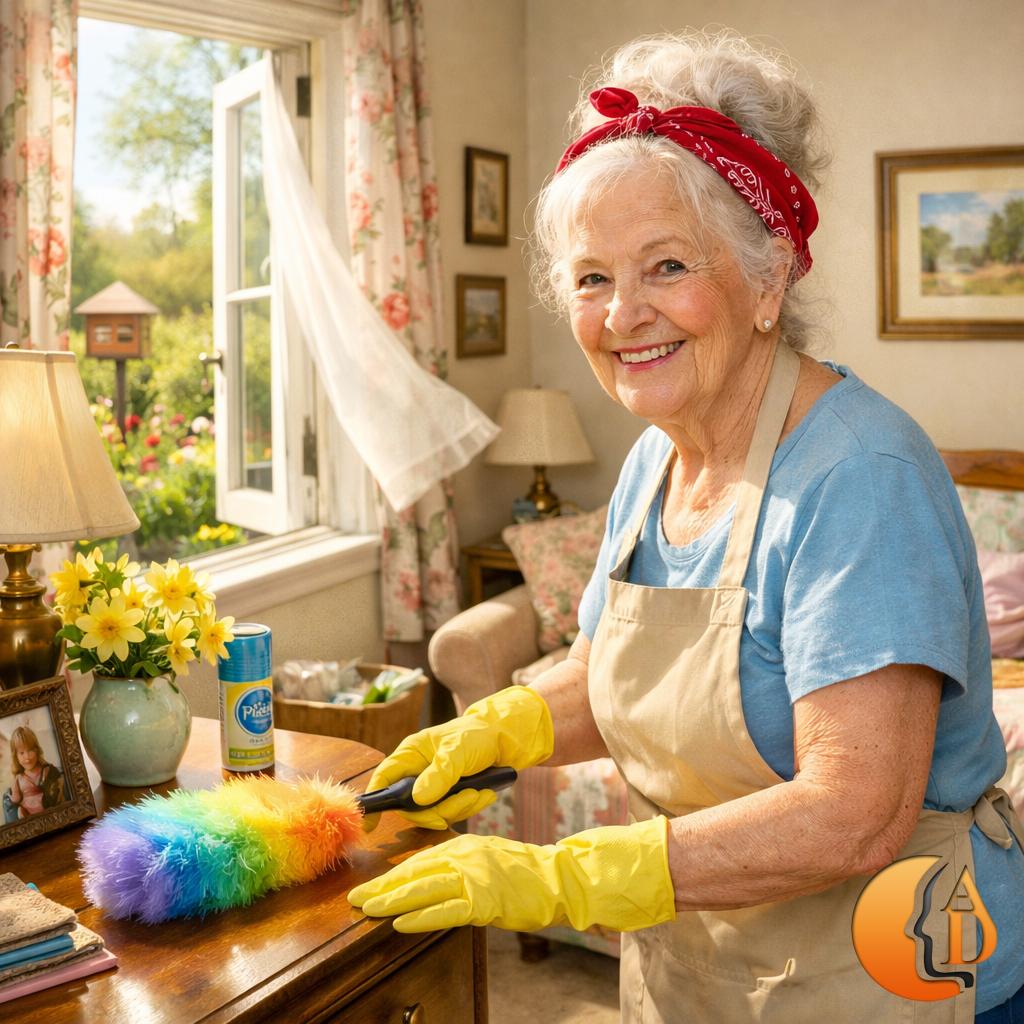
March was never just another month. For many of the people we serve, March once meant opening windows for the first time. Beating rugs clean. Sorting closets. Talking about gardens long before anything was planted.
It was a month of noticing light lingering longer, radios playing during chores, plans quietly forming around kitchen tables. Long before activity calendars, March was lived through routine, preparation, conversation, and memory.
This issue of the Activity Corner Newsletter is an invitation to bring those traditions forward — gently, respectfully, and in ways that feel familiar rather than forced.
- Spring Cleaning: Windows open, music playing, neighbors stopping by.
- Garden Planning: Seed catalogs, handwritten lists, hopeful conversation.
- Lenten & Easter Preparation: Fish Fridays, church routines, quieter weeks before celebration.
- Seasonal Work: Readiness without rush — preparing for what came next.
Programming Tip: March works best when it feels like remembering how life once flowed.
🌷 Featured Activity: Signs of Spring Reminiscence Circle
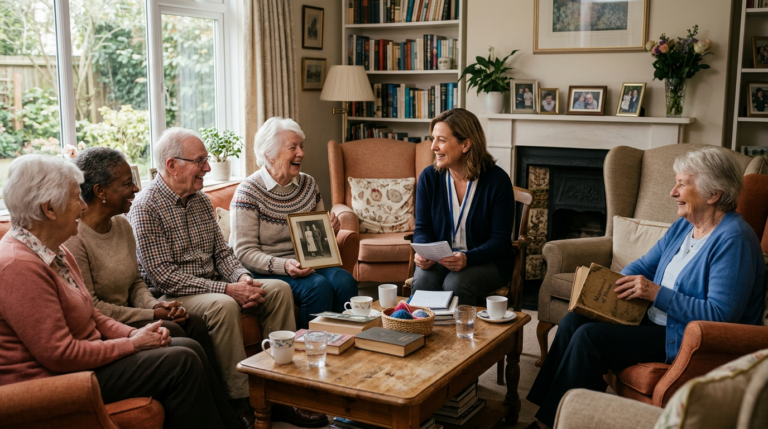
Bring forward the feel of early spring — a seed packet, the sound of rain on a window, a single flower in a jar, or familiar garden tools placed within reach. Pair the conversation with a simple seasonal refreshment such as lemonade, herbal tea, or shortbread cookies to mirror the way March once felt like a small shift toward lighter days.
For a hands-on option, invite residents to assemble a small seed envelope, decorate a paper flower, or sort seed packets by color or type. The focus is not completion, but presence and recognition.
As residents engage, invite them to talk about what changed first in March: what work resumed, what routines returned, or what they quietly prepared for as winter loosened its hold.
Documentation Tip:
Resident engaged through sensory recognition, reminiscence, verbal expression, fine motor interaction, and social presence during group activity.

LIZA MINNELLI- March 12
Musicals, performances, movie theaters
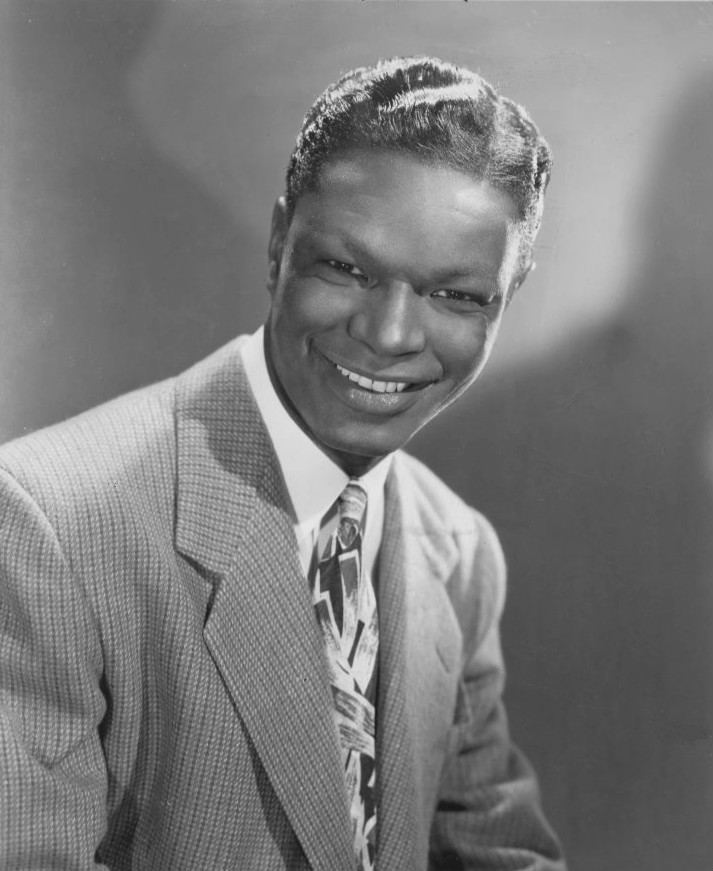
NAT KING COLE- March 17
Romantic songs, radio hours, slow dancing

ARETHA FRANKLIN- March 25
Soul music, strong voices, powerful memories
Activity Tip: Pair birthdays with short music clips and ask,
“Where were you when you first heard this song?”
Dear ADN,
I have a resident who is angry most of the time and refuses to participate in activities. No matter what I offer, the answer is no, sometimes with frustration or sarcasm. I want to respect their feelings, but I also feel stuck and unsure how to make any headway.
ADN Responds:
First, take a breath. This is not a failure. It is a relationship in progress. For many residents, anger is one of the last ways they feel any control. Saying no may be less about activities and more about protecting themselves from more loss, change, or disappointment. The most helpful shift is often not what you offer, but how you show up. Try removing the pressure to participate altogether. Sit nearby without an agenda. Acknowledge what you see without trying to fix it. A simple statement like, “It looks like today is a hard day,” can go a long way. When you do offer an activity, keep it neutral and optional. Let them know what is happening and give them space to decide. Progress may look like eye contact, a short response, or simply remaining in the room. Those moments matter. Over time, anger often softens when someone feels seen without being managed. Trust builds when residents realize they are allowed to say no and still belong.
Documentation Tip:
Resident observed, remained present, and responded verbally or nonverbally during interaction.


Ready-to-use documentation support across all care levels.
You are the heartbeat of your community — we’re honored to support you.