Activity Resource List Ideas That Actually Match Resident Interests
Great activity programming does not begin with random ideas. It begins with the resident. When you understand a person’s history, preferences, and memories, the right resources become much easier to find.
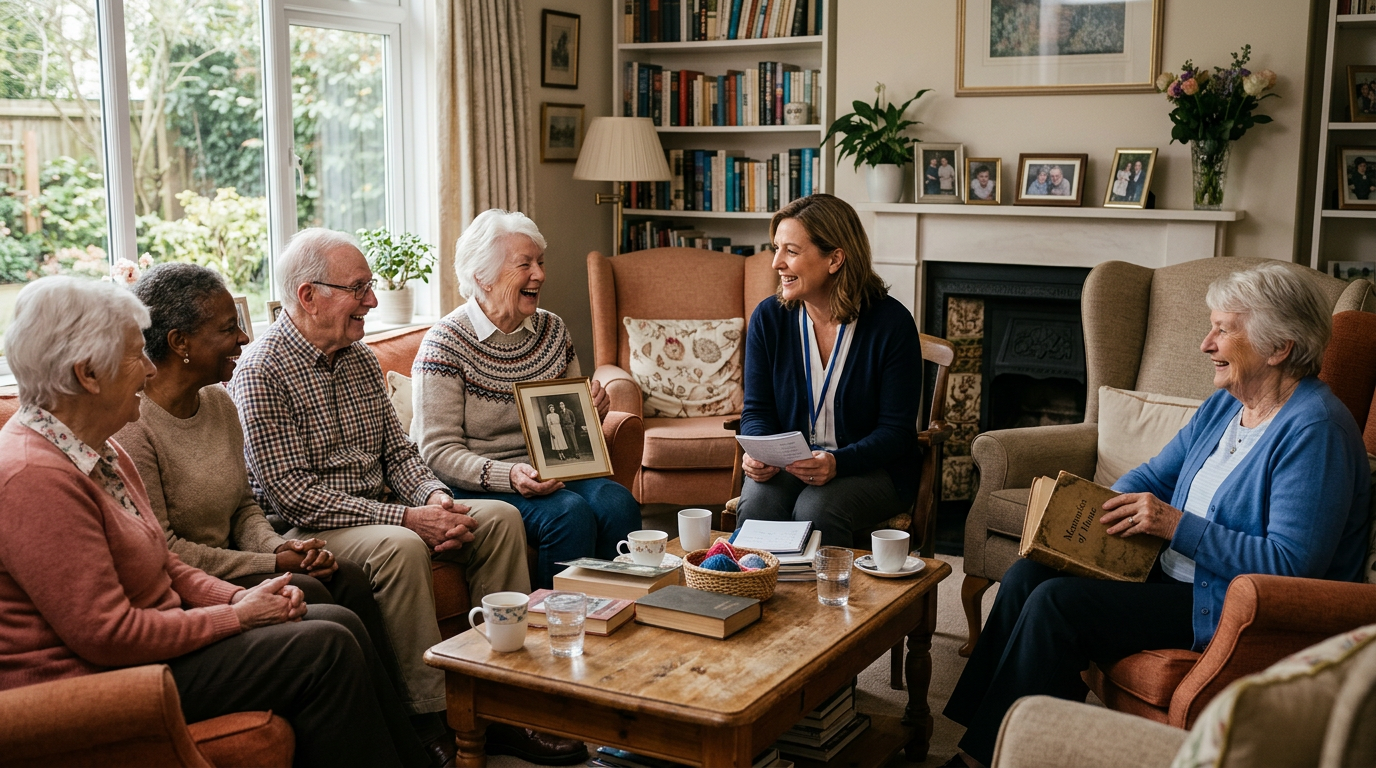
One of the simplest ways to strengthen your activity program is to stop asking, “What should we do today?” and start asking, “What would connect with the lives of the people we serve?”
Inspiration is everywhere when you begin looking through the lens of resident-centered care. Every resident brings a lifetime of experiences, interests, work history, family traditions, hobbies, and memories into your community. Those details are not background information. They are your roadmap.
You will often feel naturally led toward the right activity resource when you have already reviewed your resident information and know what that individual is likely to enjoy.
Below are a few examples of how everyday resources can be turned into meaningful programming. The goal is not just to fill time. The goal is to create a better match between resident needs, resident interests, and the experiences you provide.
Use Current Events to Spark Conversation and Connection
Newspapers, television broadcasts, and trusted news segments can become easy discussion starters. This type of programming can work especially well around meals or at a consistent time each day.
Current events can help residents stay connected to the world around them while also encouraging conversation, opinions, and social interaction.
- Discuss uplifting or interesting headline stories as a group.
- Invite residents to share their opinions and memories related to the topic.
- Choose positive content when possible and avoid crime-heavy stories that may feel upsetting or triggering.
Use Reminiscence Resources to Wake Up Memory
Reminiscence becomes even stronger when residents can see, hold, touch, or closely observe something related to the topic. Magazine ads, old catalogs, newspaper clippings, product packaging, music, fabric samples, and photos can all help activate memory.
A picture really can open the door to conversation. When the senses are involved, recall often becomes easier and more natural.
- Talk about how prices have changed over the years.
- Compare past and present fashions, hairstyles, appliances, and technology.
- Build discussions around topics like first jobs, favorite teachers, childhood homes, pets, hobbies, games, sweethearts, or family traditions.
- Rotate topics often so the experience stays fresh and inclusive.
Use Travel and Geography to Expand the Room
Libraries, travel books, maps, encyclopedias, and videos can help you build rich programming around geography and culture. These sessions can be especially meaningful for residents who loved travel, served in the military, moved frequently, or enjoy learning about other places.
- Feature a different country, state, or region at each session.
- Talk about local customs, foods, weather, clothing, music, and traditions.
- Invite residents to share where they have lived, traveled, or hoped to visit.
- Pair the session with a themed meal or tasting experience when appropriate.
Use Reading Time as Meaningful Daily Programming
Reading aloud is one of the most flexible resources you have. A well-chosen book, short story, devotional, biography passage, or poem can become a comforting and mentally engaging part of the day.
The key is choosing material that reflects your residents’ backgrounds and interests rather than reading simply for the sake of filling a slot on the calendar.
- Read a novel or nonfiction title in small daily portions.
- Pause often to reflect, discuss, and help residents stay connected to the material.
- Use poetry, short readings, or familiar passages for residents who do better with shorter attention spans.
- Ask gentle questions that encourage participation without pressure.
Use Cultural Enrichment to Honor Identity
Cultural programming can help residents feel seen, valued, and remembered. It can also help build stronger community within your setting.
Highlighting a resident’s heritage, traditions, food, music, language, or celebrations can create a beautiful opportunity for connection and pride.
- Feature a different culture or heritage theme each month.
- Invite residents and families to contribute stories, recipes, or traditions.
- Continue exploring cultures even after you have highlighted your current resident population, simply for fun and enrichment.
Do Not Overlook Community Resources
Some of the best activity resources are already right outside your doors. Schools, churches, clubs, libraries, community groups, performance groups, sports teams, and service organizations can all become valuable partners.
Think broadly about the people, places, and services that might support your residents’ interests and bring fresh life into your calendar.
Community resource ideas
Educational institutions, choirs, local drama clubs, sports teams, churches, beauty schools, dance groups, libraries, scouts, volunteer groups, local colleges, and neighboring senior programs can all offer creative opportunities for visits, performances, partnerships, and intergenerational connection.
Sometimes the best resource list is simply the result of looking more intentionally at your own community.
Why This Matters
An activity resource list is not just a random collection of ideas. At its best, it is a thoughtful reflection of your resident population. It is built from what you know about their individuality, preferences, life story, and personal history.
That is what turns programming from generic to meaningful.
Activity professionals have the privilege of helping people reconnect with memory, identity, purpose, and joy. When we plan with intention, we honor the lives behind the care.
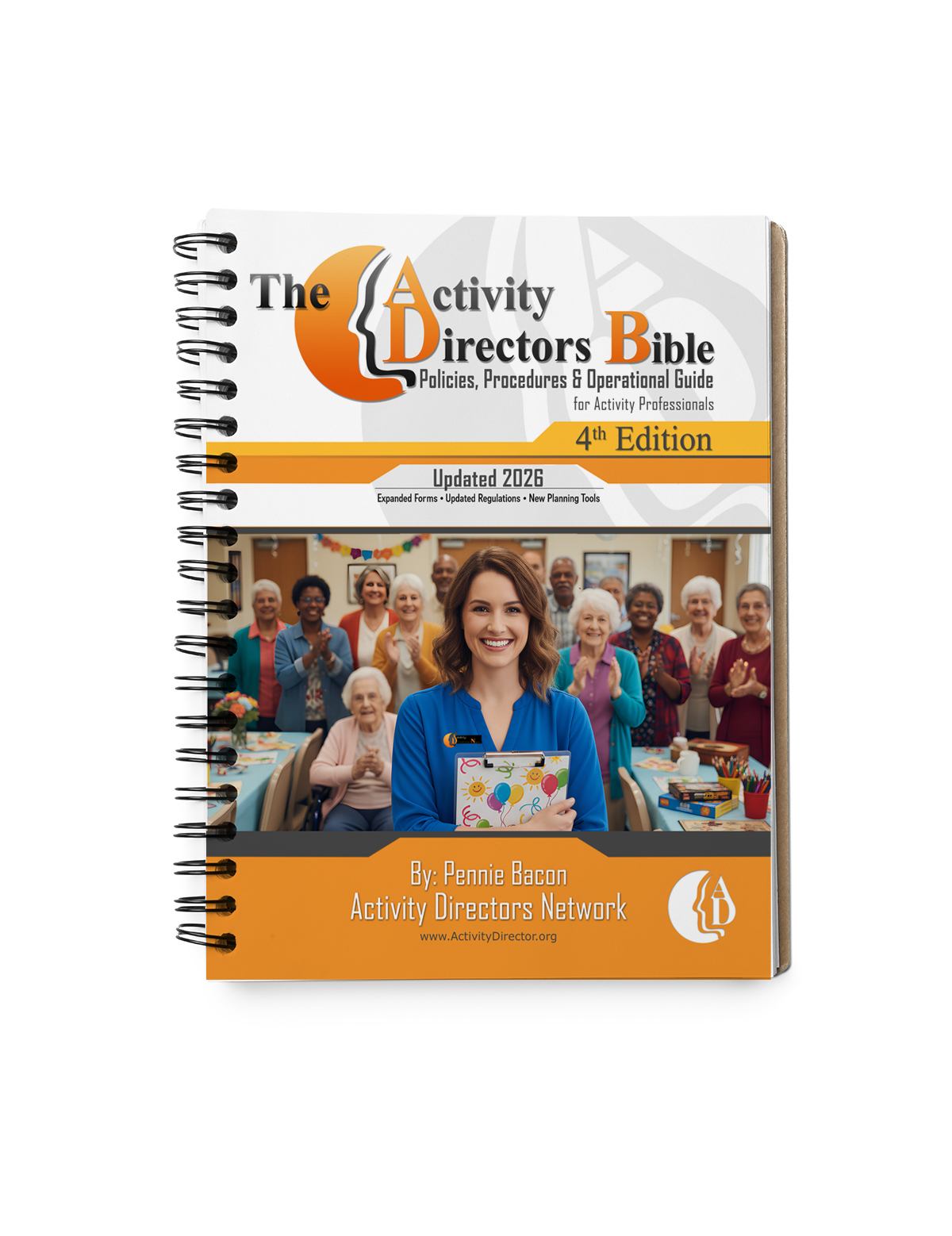
Build Activities That Actually Match Your Residents
If you’re ready to move beyond random ideas and start building a structured, resident-centered program, The Activity Directors Bible gives you the exact systems, forms, and guidance to do it with confidence.
Thoughtful programming does not always require a bigger budget or more complicated planning. Often, it simply requires a closer look at who your residents are and what still matters to them.
Start there, and your ideas will come with much more purpose.
Similar Posts
The Activity Corner Newsletter: Gentle January Activity Ideas for Seniors
A gentle look ahead to January with comfort-based activity ideas, reflective programming, and a free winter writing resource for Activity Professionals.
What Surveyors Really Look for in Activity Documentation
Survey-ready activity documentation focuses on access, choice, and consistency — not perfection.
Common Activity Director Mistakes
Common Activity Director Mistakes (and How to Fix Them) Simple shifts that can completely change how your department runs. Every Activity…
What Does an Activity Director Do?
What Does an Activity Director Do? A Real Look at the Role One of the most meaningful careers in senior living—and…
Bridging the Gap: How to Get Other Departments Involved in Activities (Without the Drama)
Bridging the Gap: How to Get Other Departments Involved in Activities (Without the Drama) By Pennie Bacon | Resource Director, Activity…